Analyzing Social Media's Impact on Collectible Culture and Shopping Psychology
Interactive Dashboards
Data Driven Insights
Focused Research
Our project explores the psychological triggers behind impulsive purchases and digital consumer behavior across platforms and regions. We focus on how rapid content cycles and algorithmic targeting on social media stimulate dopamine-driven shopping habits. To uncover these patterns, we developed four data visualizations mapping trends across age, interests, social media use, and impulse-buying tendencies.
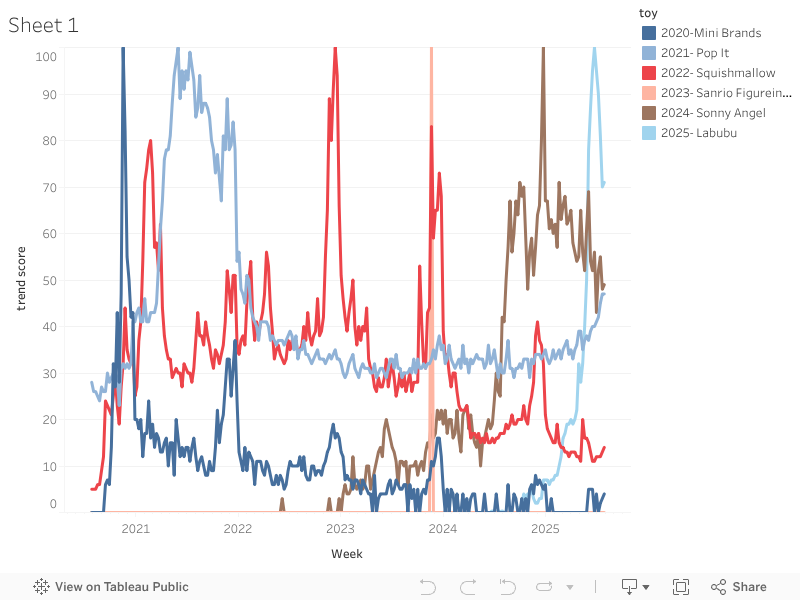
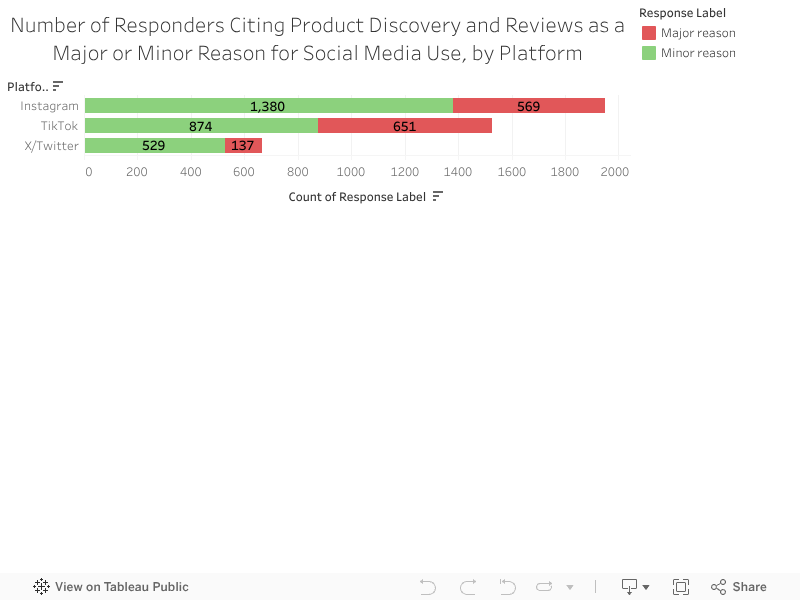
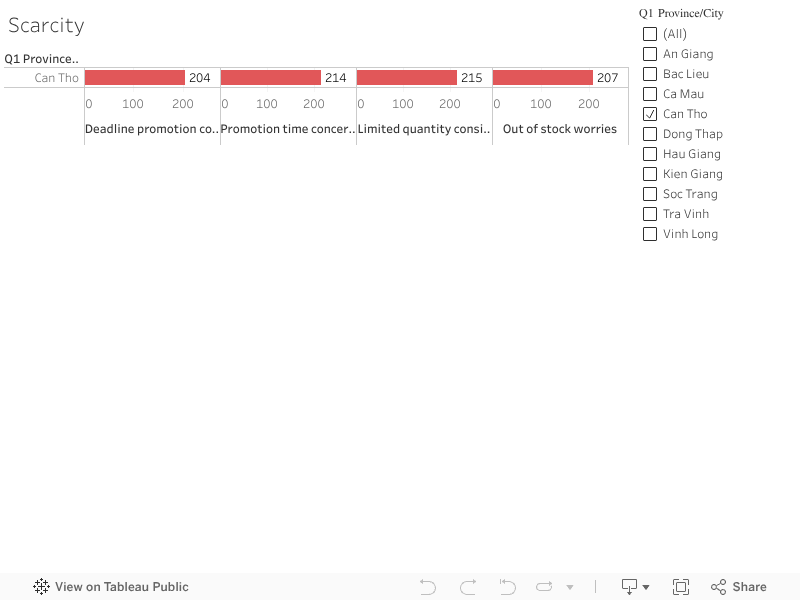
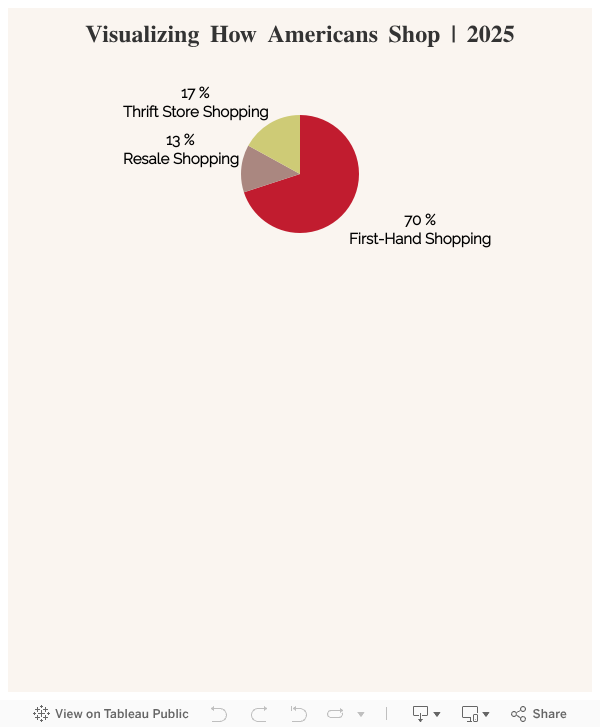
The first visualization examines consumer perceptions of scarcity on TikTok Shop in Vietnam, showing how urgency, limited availability, and FOMO drive impulse purchases regionally. The second tracks the virality of toys from 2020–2025 using Google Trends and hashtags, revealing the influence of short-lived microtrends. The third highlights product discovery patterns, showing Instagram as the top platform for recommendations, followed by TikTok and X/Twitter. The fourth analyzes U.S. shopping behavior, exposing a gap between sustainable intentions and actions—70% of Americans still prefer new items over secondhand options.
Students, educators, and researchers interested in digital consumer behavior and social media influence.
Data online → Sheets → SQL → Tableau for comprehensive analysis
Dynamic visualizations with filters, tooltips, and cross-chart highlighting

Analysis of viral toy microtrends from 2020-2025 and their social media lifecycle
Number of Responders Citing Product Discovery and Reviews as a Major or Minor Reason for Social Media Use, by Platform
Through our visualizations, we aim to promote greater media literacy by helping viewers recognize how trend cycles manipulate perception and drive short-lived interest. By making these patterns visible, we hope to empower consumers to pause and reflect before engaging in impulsive shopping. Additionally, our findings show that many consumers rely on social media as their primary source for product recommendations. This highlights the need to explore alternative discovery methods, such as peer reviews, ethical brands, or second-hand shopping options.
Regional analysis of consumer scarcity perceptions on TikTok Shop in Vietnam
Analysis of American shopping patterns: new vs. thrift vs. resale consumption
Each year from 2020-2025 had one dominant viral toy: Mini Brands (2020), Pop Its (2021), Squishmallows (2022), Sonny Angel (2024), and Labubu (2025), with social media platforms dramatically accelerating trend lifecycles from years to weeks.
Consumers in Can Tho consistently report the highest concern across all scarcity factors—promotion deadlines, time limits, quantity constraints, and fear of stockouts—while provinces like Tra Vinh and Soc Trang show lower levels of scarcity concern, revealing regional differences in digital shopping psychology.
70% of U.S. shoppers still buy items brand new, with only 17% choosing to thrift and 13% buying from resale platforms, despite the rise of sustainable fashion and secondhand marketplaces, highlighting the gap between environmental awareness and actual shopping behavior.
Team B1